
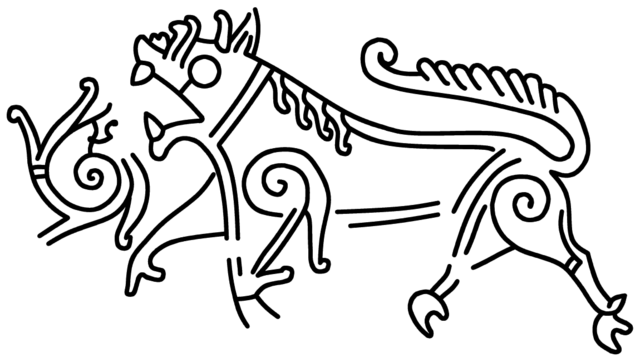
Fenrir: The Bound Wolf & the Meaning Behind Norse Wolf Tattoos
Fenrir is one of those symbols that doesn’t pretend to be gentle. In the myths, he’s the monstrous wolf prophesied to kill Odin at Ragnarök, bound by the gods with a ribbon forged from impossible. In tattoo form, Fenrir can be a symbol of breaking bonds, surviving what was meant to hold you down, and refusing to be defined by other people’s fear. Some clients connect to him as pure chaos, others as a guardian wolf, and others as the part of themselves they used to be ashamed of but now claim fully.
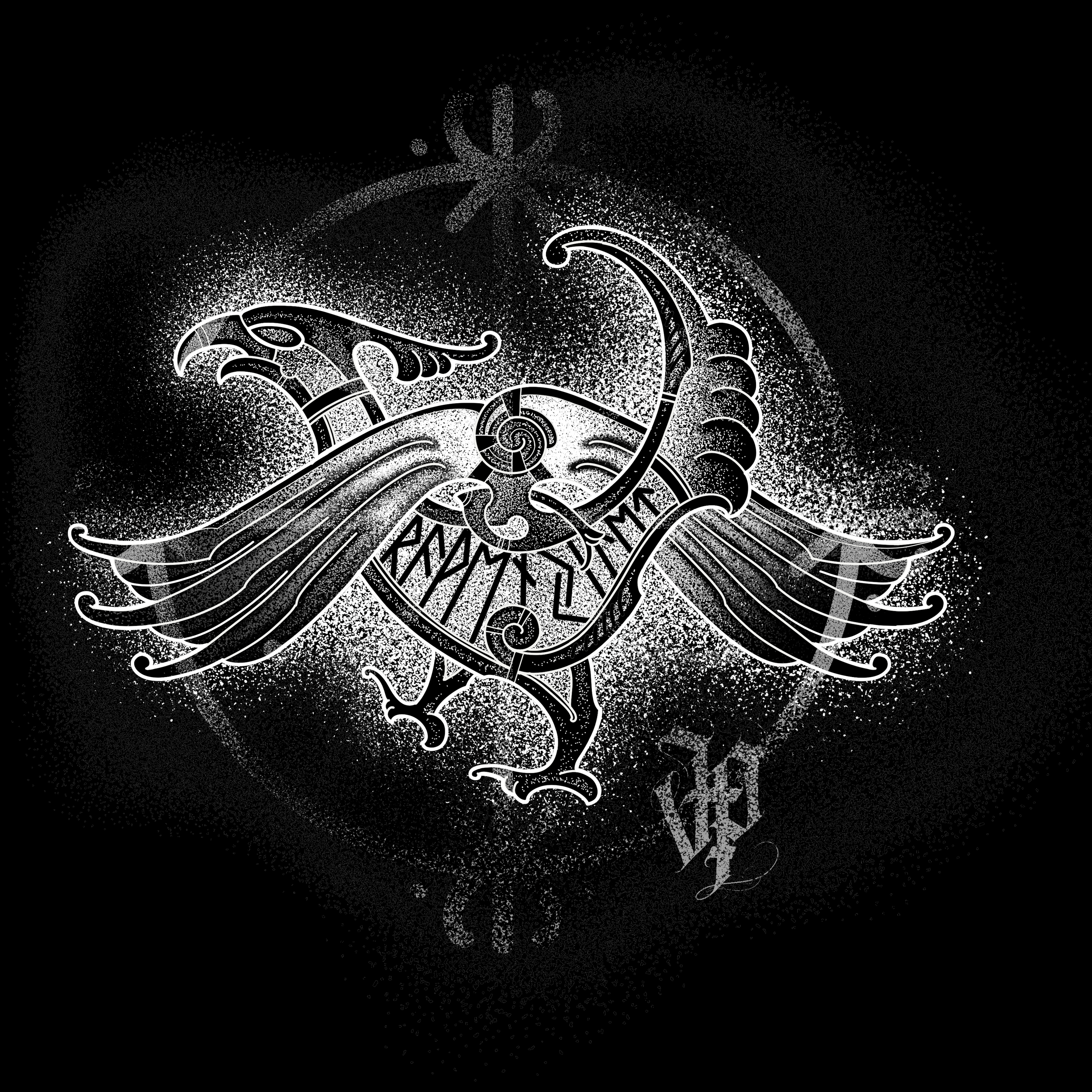
Huginn & Muninn: Odin’s Ravens, Memory & Thought
These aren’t just birds — they’re extensions of consciousness, messengers between the inner world and the outer world, and reminders that wisdom is something you gather through living, observing, and paying attention.
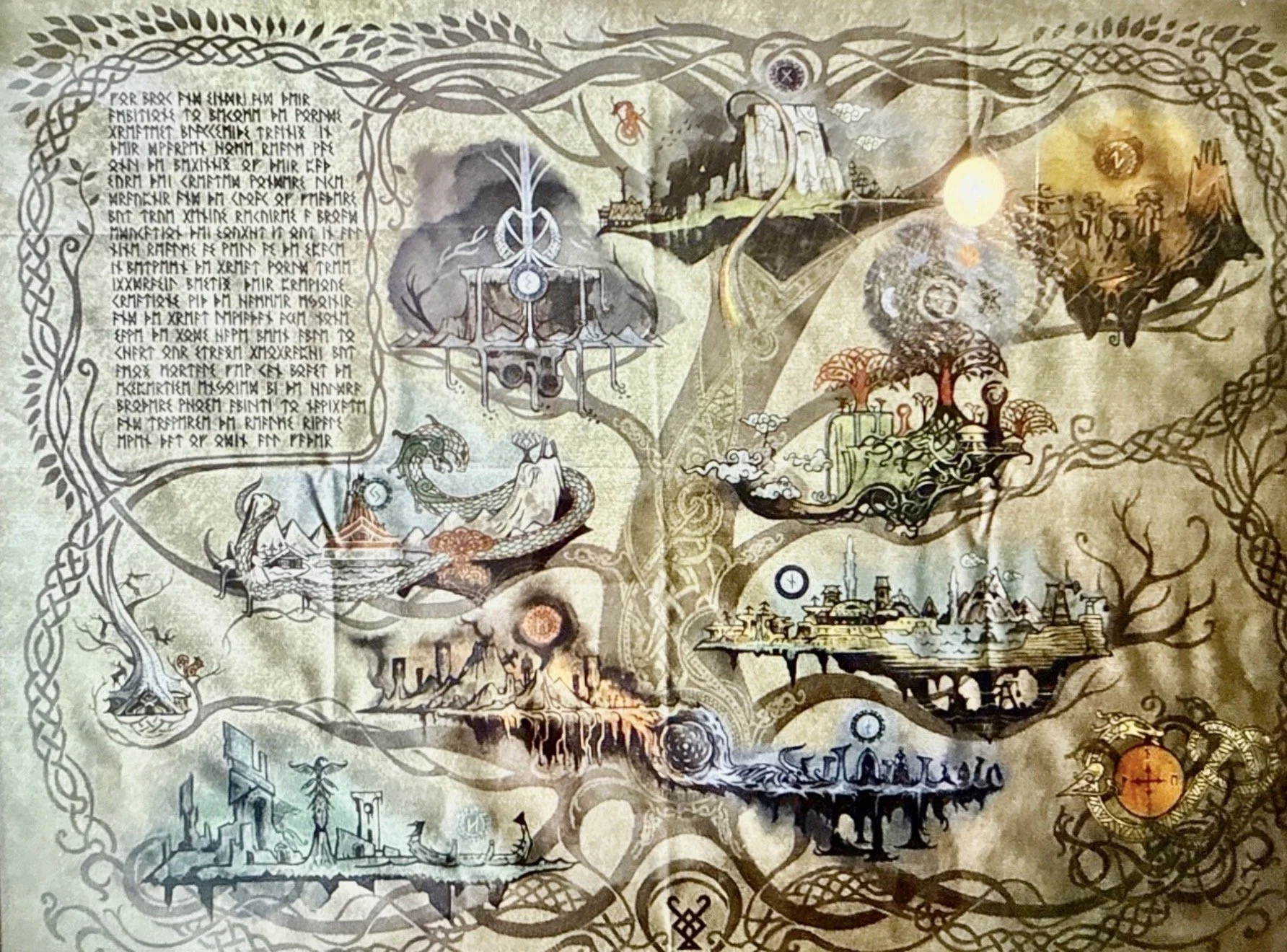
Yggdrasil: The World Tree & The Nine Realms
Yggdrasil is one of those symbols people think they understand at first glance, but the deeper you go into the mythology, the more you realize how central it really is. It isn’t just a tree — it’s the backbone of the entire Norse cosmos, holding together the realms of gods, humans, giants, ancestors, spirits, and everything in between. Every major story in the Eddas touches Yggdrasil in some way…
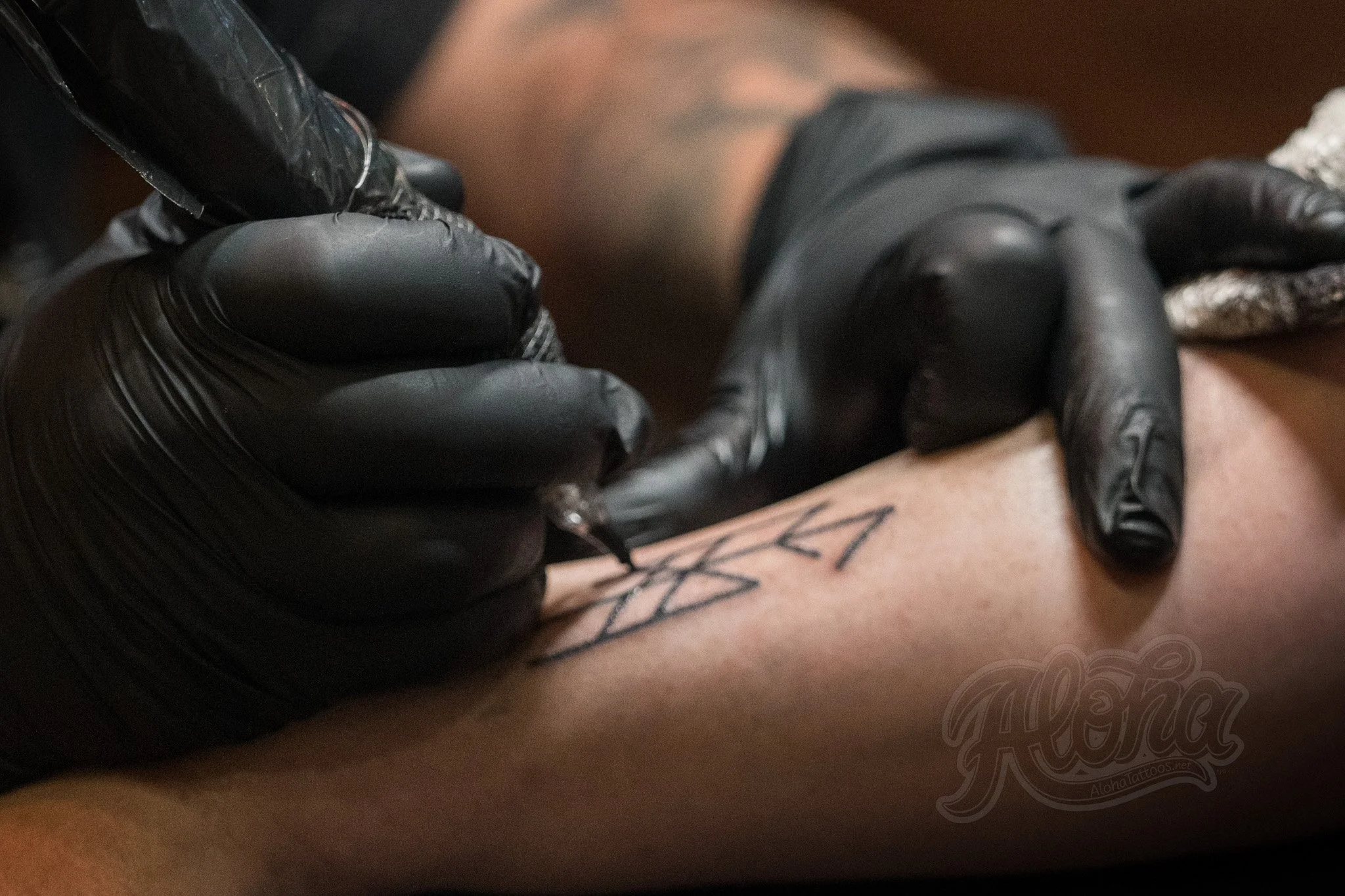
BindRunes: Crafting Personal Sigils from the Elder Futhark Runes
A BindRune is simple on the surface; a combination of two or more runes merged into a single form. But the process of creating one with intention is far from casual. It’s part language, part archetype, part magic, part design. You’re weaving meaning together and locking it into a symbol that becomes yours alone.
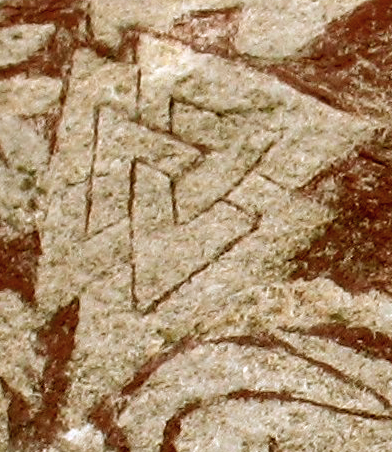
Valknut: Odin’s Knot of the Slain & Warrior Symbolism
The Valknut is one of those symbols people recognize instantly, but very few actually understand. It shows up everywhere—tattoos, jewelry, clothing, video games—but its real story comes from archaeology, not pop culture. The Valknut appears beside warriors, rituals, and scenes connected to Odin, death, and the transition between worlds. Even though the name “Valknut” is modern, the symbol itself is ancient, and every historical example ties back to themes of fate, courage, transformation, and the mysteries of life and death.